Bethany Stone: From Physical and Emotional Abuse to Reclaiming Her Power Through Self-Care

Updated: May 20

In our recent Intimate Talks interview, Bethany Stone, Founder of Thriving by Nature, shared a journey both powerful and transformative — a story of not just survival, but conscious reinvention. Watch the interview.
I met Bethany recently through my coaching work and immediately loved her grounded and kind approach. Having been a Montessori Teacher for 23 years and now a Mindset and Life Skills Coach, she leads from her own life experience, which makes working with her a remarkable journey. Her story, full of life-altering turns, difficult choices, and transformation, assured an instant connection. Some conversations stay with you long after they end; this was one of them.
At just sixteen years old, Bethany experienced a moment that would forever shift her perspective: her home burned down in the middle of a snowstorm. In an instant, everything familiar was gone. Yet, within that loss, something essential emerged — a deeper awareness of what truly matters. That early disruption became the first invitation to look inward, to question identity, and to begin defining life not by circumstance, but by intention.
What followed were years marked by profound challenges. Bethany spoke with honesty and grace about navigating two marriages — one physically abusive and the other emotionally abusive — and later being diagnosed with Battered Woman Syndrome, a reality many endure in silence. Her story reveals how easily identity can become entangled in survival, and how difficult it can be to see a way out when manipulation and fear take hold. And yet — this is not where her story ends.

What makes Bethany’s work so compelling is how she transformed these experiences into a methodology that empowers others to reconnect with themselves. Her framework, the “5 Buckets of Self-Care,” is both simple and deeply holistic: emotional, spiritual, physical, social, and intellectual well-being. Rather than focusing on quick fixes, her approach invites a return to wholeness — a rebuilding of self from the inside out.
Throughout our conversation, a central theme kept resurfacing: the importance of knowing your “why.” Without it, it’s easy to drift into roles, expectations, and identities that don’t truly belong to you. With it, even the most challenging circumstances can become catalysts for clarity and growth.
If her story resonates, and you feel ready to reconnect with your own sense of purpose, Bethany’s work through Thriving by Nature offers a meaningful place to begin.
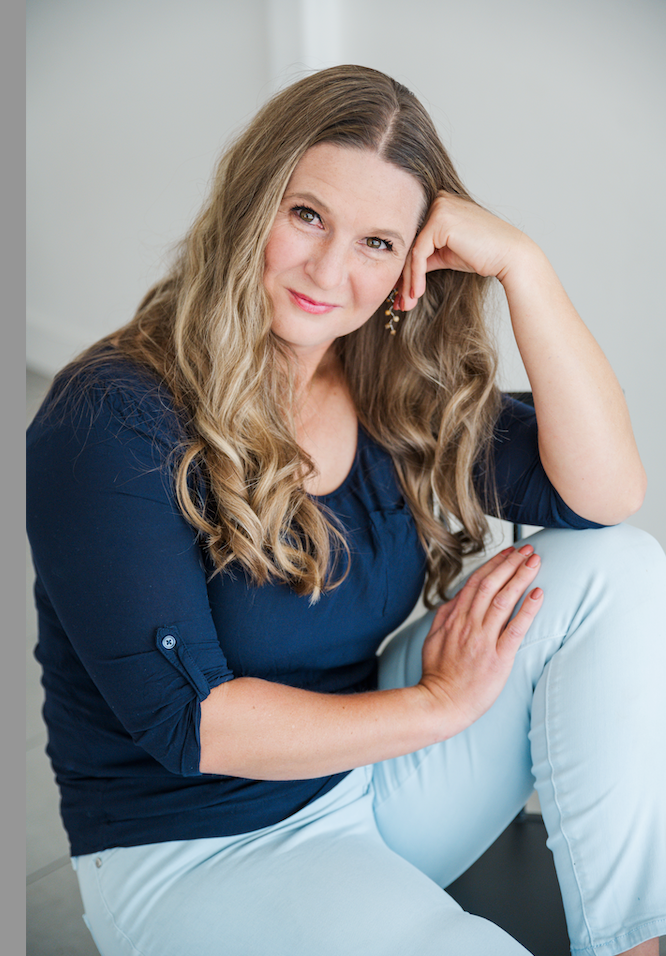
Bethany Stone, Founder of Thriving by Nature
Email: bethany@thrivingbynature.com
Website: www.thrivingbynature.com
Instagram: @thriving_by_nature_coaching
Final Reflection: From Survival to Intentional Living
Bethany's journey brings together three deeply impactful life experiences—childhood trauma, physical abuse, and emotional abuse—and transforms them into a path forward.
What stands out is not just what she endured, but what she chose to do with it. And perhaps the most powerful message of all: your past may shape you—but it does not have to define you.
Even the most difficult experiences can become a turning point toward something deeper and more aligned. When you begin to understand your story, you also begin to see new possibilities for how you want to live and who you want to become. And sometimes, all it takes is one honest conversation to start that shift.
I offer a free 30-minute chat to help you recognize where your past may still be shaping your present — and to support you in reconnecting with your voice, your clarity, and the life you’re ready to create.
I hope that this blog post "Bethany Stone: From Physical and Emotional Abuse to Reclaiming Her Power Through Self-Care" was helpful. You can find more interesting topics in other posts
CREATE YOUR DREAM LIFE, CAREER & BUSINESS — one aligned step at a time.


Comments